This category explores the foundational theories, key figures, and clinical applications of psychoanalytic thought. Topics include Freudian and post-Freudian models, unconscious processes, transference and countertransference, and the role of early developmental experiences in shaping the psyche. Suitable for those seeking to deepen their understanding of the psychoanalytic tradition in contemporary therapeutic practice.
Professional Diploma in Freudian Psychoanalysis

This live online course offers a comprehensive introduction to the core concepts of psychoanalytic theory and practice. Covering key thinkers such as Freud, Jung, Klein, and Winnicott, the course explores unconscious processes, transference, defence mechanisms, and early development. Ideal for therapists and mental health professionals seeking to deepen their clinical insight through a psychoanalytic lens. Includes live lectures, interactive discussion, and a written assignment.

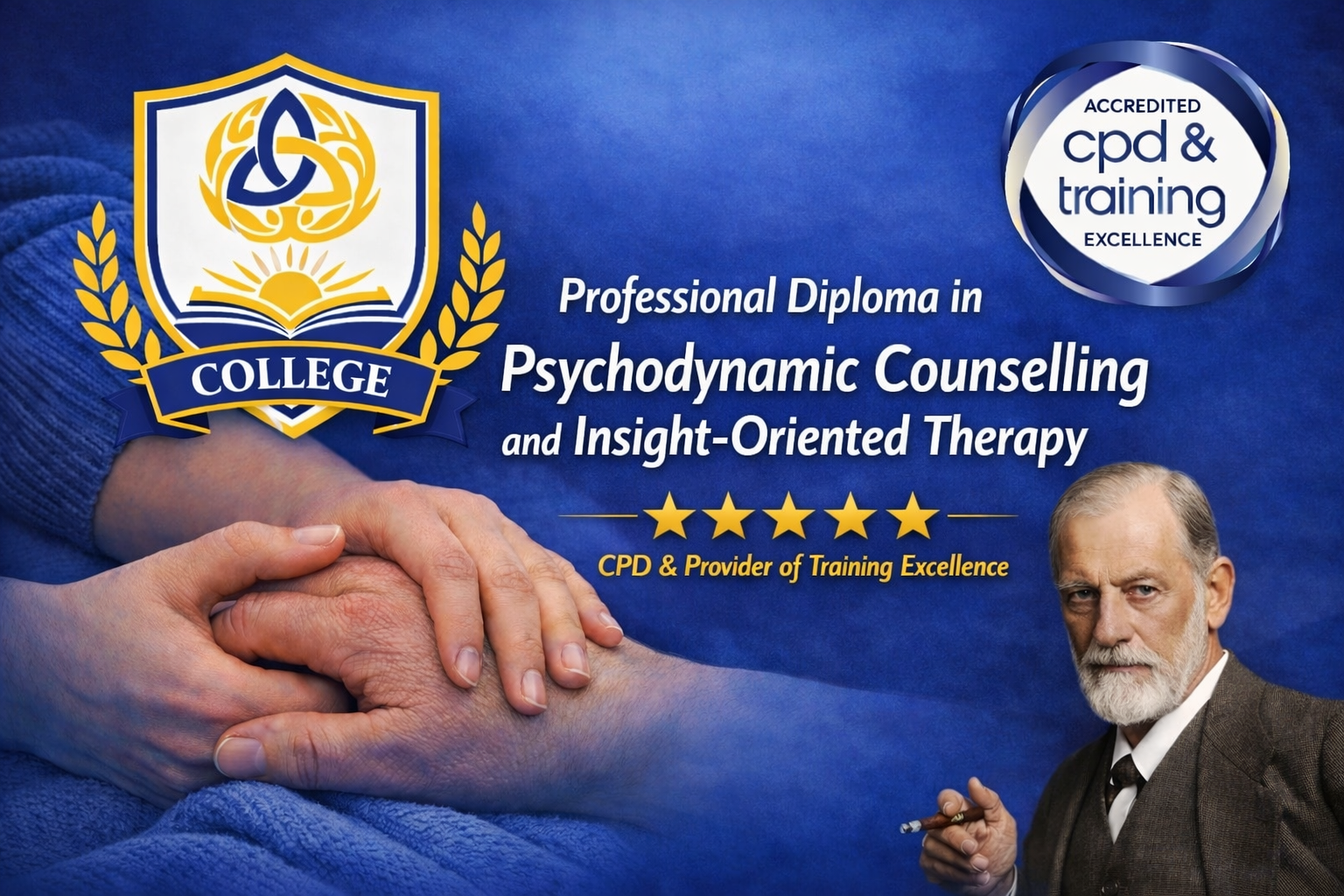
Professional Diploma in Psychodynamic Counselling & Insight-Oriented Therapy

The Professional Diploma in Psychodynamic Counselling & Insight-Oriented Therapy is designed for practitioners who wish to deepen their understanding of the unconscious mind, relational patterns, and the emotional roots of psychological distress. The course offers a thorough grounding in the core principles of psychodynamic theory, including the impact of early experiences, internal conflicts, defence mechanisms, and transference–countertransference dynamics in the therapeutic relationship.

You will explore how past relationships shape current ways of thinking, feeling, and relating, often outside conscious awareness. The programme examines key concepts such as attachment, object relations, the inner world of fantasy and symbols, and the role of loss, guilt, shame, and aggression in human experience. Emphasis is placed on understanding how these processes emerge in the therapeutic encounter and how they can be used to foster insight and change.

A central focus of the course is the therapeutic relationship itself. You will learn to listen at depth, work with silence, attend to non-verbal communication, and reflect on your own emotional responses as valuable sources of information. The diploma supports you in developing a stance that is curious, reflective, and containing, creating a safe space where clients can begin to explore and make sense of their inner worlds.

Teaching methods typically include lectures, close reading of clinical and theoretical texts, case discussions, skills practice, and personal and professional reflection. You will be encouraged to link theory to your own practice context and to develop your capacity for ongoing self-awareness and supervision.

This diploma is particularly suitable for counsellors, psychotherapists, psychologists, and other helping professionals who wish to work at a deeper, insight-oriented level with clients. By completion, you will have a richer understanding of psychodynamic perspectives, enhanced confidence in working with complex emotional material, and a more nuanced appreciation of how long-term, insight-based work can support meaningful and lasting psychological change.